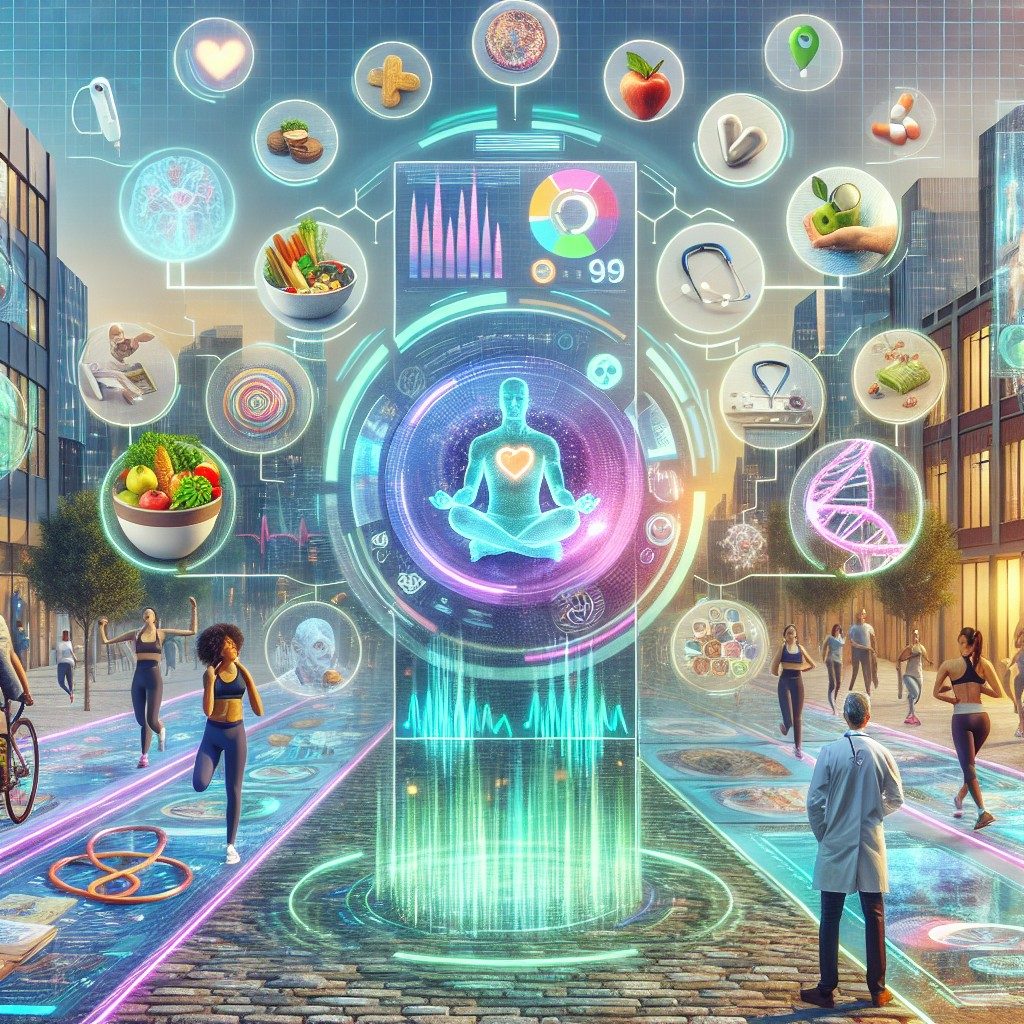
A groundbreaking study has emerged, presenting new health data that forecasts unexpected trends for the year 2026. Researchers from the Global Health Institute have collaborated with public health officials to analyze various health metrics, outlining significant shifts that could reshape public health policies worldwide.
Key Findings from the Study
The latest health data underscores a noticeable increase in chronic illnesses across multiple demographics. According to the report, conditions such as diabetes, obesity, and cardiovascular diseases are projected to escalate by over 15% by 2026. These findings are attributed to a combination of lifestyle factors, limited access to healthcare, and the long-term effects of the COVID-19 pandemic. Dr. Amanda Ellis, a leading researcher in the field, emphasizes the necessity for urgent policy measures to address these emerging threats to public health.
Long-term Effects on Healthcare Systems
This surge in chronic illness could overwhelm healthcare systems that are already under strain. Hospitals and clinics may face challenges in accommodating the growing patient load, leading to longer wait times and decreased quality of care. To combat this, health data indicates that investments in preventive care and wellness programs are crucial. The study advocates for a comprehensive approach that integrates mental health support with physical health initiatives, aiming to reduce the prevalence of chronic conditions before they require more intensive medical intervention.
The Role of Technology in Health Data Analysis
Advancements in technology are also highlighted in the report, showcasing how digital tools can enhance the understanding of health data patterns. By employing artificial intelligence and machine learning, healthcare providers can better predict trends and allocate resources effectively. The integration of wearable health devices and telehealth services is expected to play a pivotal role in monitoring health metrics in real-time, allowing for proactive management of chronic diseases. Such innovations are critical in ensuring that the healthcare system is equipped to handle the projected challenges of 2026. The public is encouraged to stay informed about health data trends through reliable sources, such as the World Health Organization.
Conclusion
The health data revealed in this study marks a pivotal moment for public health policymakers and healthcare providers. As predictions for 2026 indicate alarming trends in chronic illness prevalence, the focus must shift toward proactive health management and technological integration. By addressing these challenges now, the healthcare industry can aim to create a healthier future for all citizens.
Frequently Asked Questions about Health Data
What is health data?
Health data refers to information related to an individual’s medical history, conditions, treatments, and outcomes, which can be analyzed to improve public health strategies.
How is health data collected?
Health data is collected through various means, including surveys, electronic health records, medical devices, and direct patient assessments.
Why is health data important?
Health data is important as it provides insights into population health trends, guides healthcare decisions, and informs public health policies.
How can health data predict future health outcomes?
By analyzing current health data trends, researchers can forecast potential future health outcomes and identify areas needing intervention or policy changes.
What role do governments play in managing health data?
Governments play a crucial role in managing health data by creating regulations for data collection, ensuring privacy and security, and using the data to inform public health initiatives.