As we look ahead towards 2026, the landscape of employment is poised for transformative changes that are being echoed in current employment statistics. Experts suggest that technological advances, shifting demographics, and evolving workforce expectations are driving factors in this anticipated shift. Understanding these trends is crucial for policymakers, businesses, and job seekers alike.
Technological Advances and the Job Market
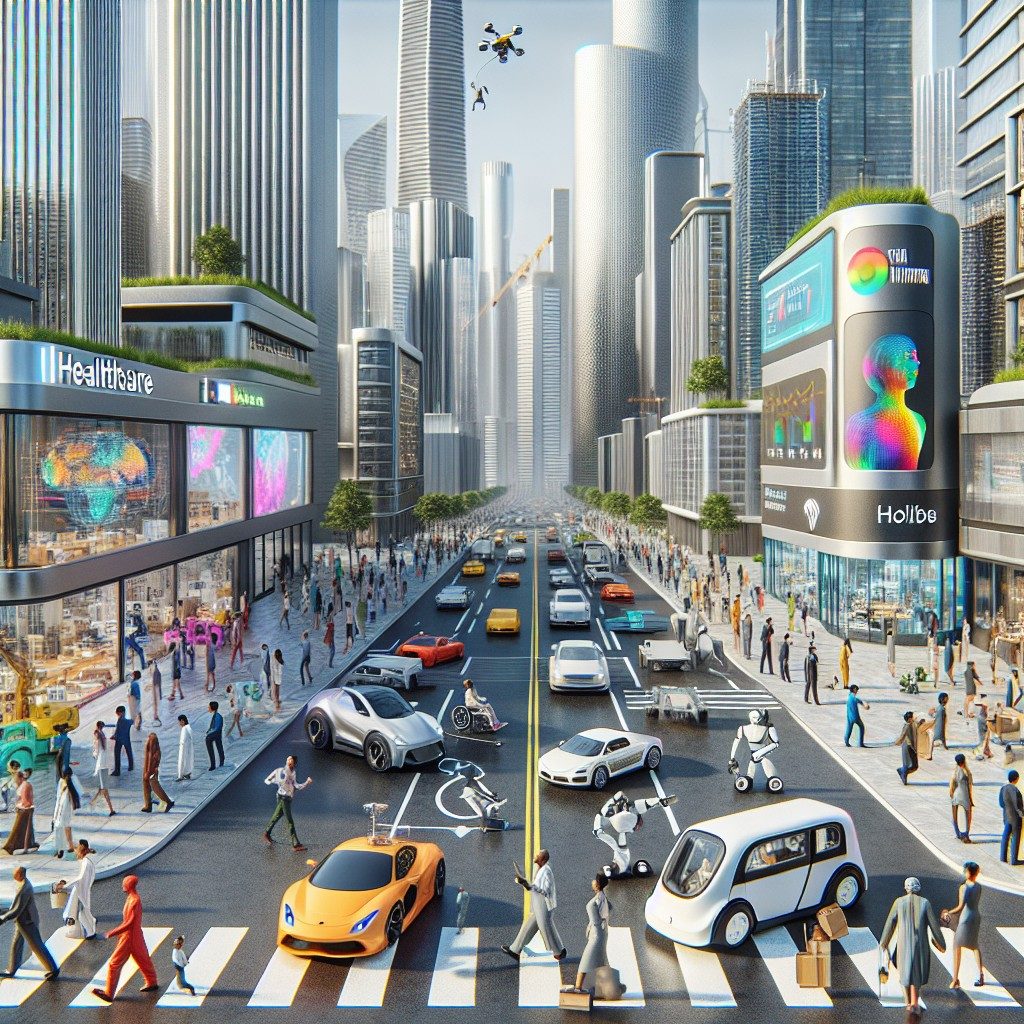
The rapid evolution of technology is set to redefine job markets globally. Automation and artificial intelligence (AI) are not merely buzzwords but are actively reshaping the employment landscape. According to recent Employment Statistics, industries like manufacturing and retail are experiencing a significant decline in traditional roles, while sectors related to technology development and digital services are witnessing a surge in job creation. The shift indicates that workers will need to adapt, requiring upskilling and reskilling to meet the demands of emerging technologies.
The Impact of Demographics on Employment
Demographics also play a vital role in shaping employment statistics. The aging population in many developed nations is creating a unique dynamic in the labor force. As the younger workforce shrinks, there is an increasing demand for experienced professionals, particularly in healthcare and education. This demographic shift is likely to lead to a decrease in the overall unemployment rate, as vacancies in these sectors remain unfilled due to a lack of qualified candidates. Furthermore, initiatives aimed at increasing labor force participation among underrepresented groups are expected to gain traction in the coming years, thereby influencing the overall employment statistics.
Workplace Expectations and Employment Statistics
Moreover, the expectations of workers are evolving. The pandemic has accelerated trends towards remote work and flexible schedules, leading many employers to rethink traditional workplace structures. Surveys reveal that a significant portion of employees now prioritizes work-life balance over other factors like salary. Consequently, businesses that fail to adapt to these new expectations may find it challenging to attract and retain talent. Employment statistics indicate a rising trend in hybrid work models, which are likely to become a standard for many industries by 2026, further influencing the job market landscape.
Frequently Asked Questions about Employment Statistics
What are Employment Statistics?
Employment statistics are data calculated by government agencies that provide insights into employment trends, including unemployment rates, job creation, and labor force participation.
How do Employment Statistics help in economic planning?
Employment statistics are crucial for economic planning as they help policymakers gauge the health of the job market, informing decisions on monetary and fiscal policies to promote growth.
Why are Employment Statistics important to job seekers?
Employment statistics are important to job seekers as they provide insights into which industries are hiring, helping individuals make informed decisions about their career paths.
How frequently are Employment Statistics updated?
Employment statistics are typically updated monthly or quarterly. Various organizations, including national labor departments, release updated data regularly.
What trends are currently influencing Employment Statistics?
Current trends influencing employment statistics include technological advancements, demographic shifts, and changing workplace expectations as a result of the ongoing effects of the COVID-19 pandemic.