As global temperatures rise, cities with dense populations face increasing challenges from extreme heat events. Effective heatwave adaptation has become a critical priority for urban planners and policymakers worldwide to protect public health and infrastructure. This article examines practical strategies that have proven successful in managing heat stress in densely populated urban environments.
Understanding urban heat challenges
Dense cities are particularly vulnerable to heatwaves due to the urban heat island effect, where built environments absorb and retain more heat than rural areas. Concrete, asphalt, and limited green spaces contribute to higher temperatures, exacerbating heat exposure risks. Understanding these dynamics is essential for developing effective heatwave adaptation measures tailored to each city’s unique context.
Green infrastructure as a cooling solution
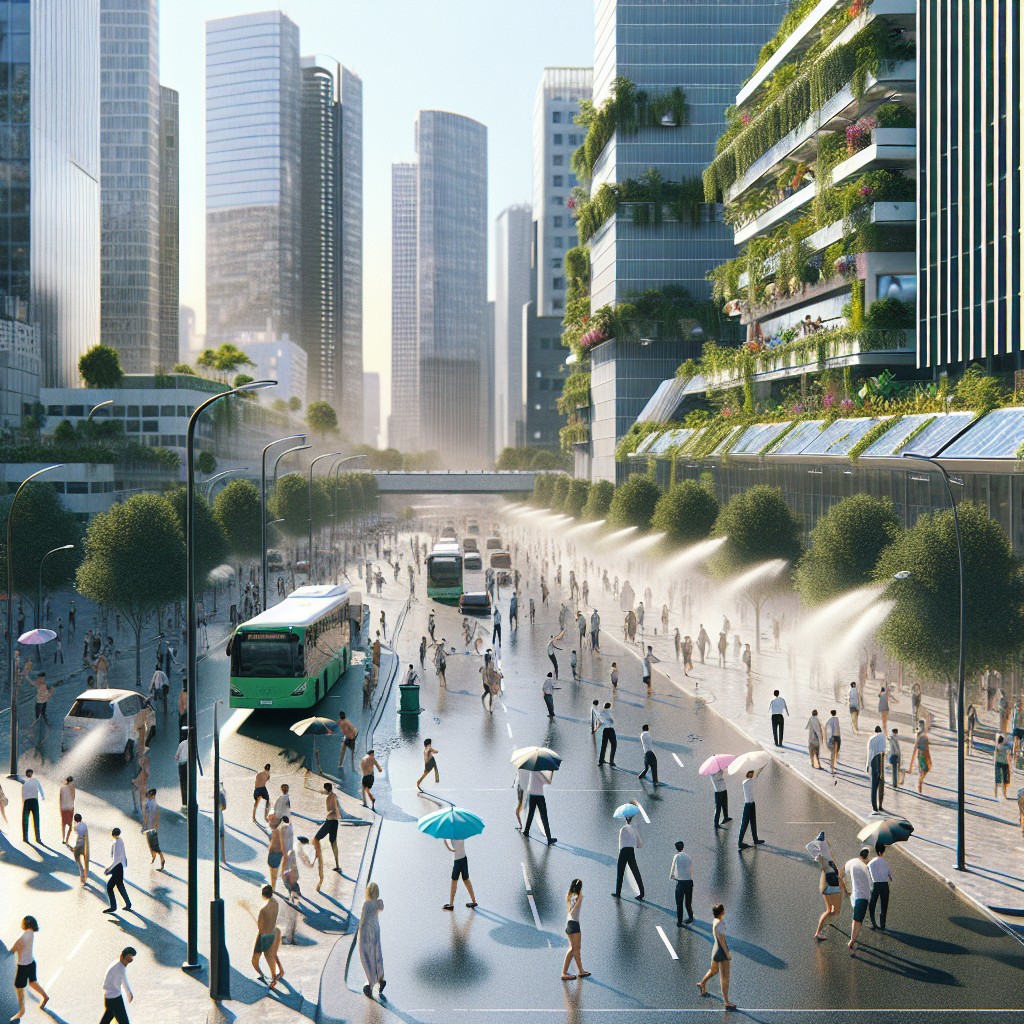
Increasing vegetation through parks, green roofs, and street trees has shown measurable benefits in reducing urban temperatures. Cities like Singapore and New York have invested in urban greening projects that moderate local microclimates and provide shade. These green infrastructures improve air quality and also enhance the physical and mental wellbeing of residents, demonstrating a multifaceted approach to heatwave adaptation.
Innovations in building design and materials
Adopting reflective and cool roofing materials reduces heat absorption in dense city buildings. Innovations such as high-albedo coatings and ventilated facades help maintain lower indoor temperatures without excessive energy use. Cities including Tokyo and Paris have revised building codes to encourage these adaptations, reducing the urban heat load and the demand on air conditioning systems during heatwaves.
Enhancing urban water features and cooling technologies
Water bodies like fountains, ponds, and misting systems contribute to localized cooling effects by promoting evaporative cooling. Urban areas in Madrid and Melbourne have integrated such water features strategically to mitigate heat stress during peak summer months. Additionally, emerging cooling technologies, including reflective pavements and smart shading, play a role in moderating the thermal environment in dense urban spaces.
Community engagement and emergency planning
Successful heatwave adaptation also involves robust public awareness and preparedness. Cities have developed early warning systems and heat action plans to protect vulnerable populations. For instance, heat health alerts in London and Paris trigger coordinated responses by health services and local authorities, demonstrating the importance of integrating community-focused strategies with urban design solutions.
Investments in these varied approaches illustrate a global trend toward holistic heatwave adaptation strategies that combine infrastructure, innovation, and public health planning. The combination of greening, improved materials, water-based cooling, and community readiness forms the backbone of effective heat management in the world’s densest urban centers.
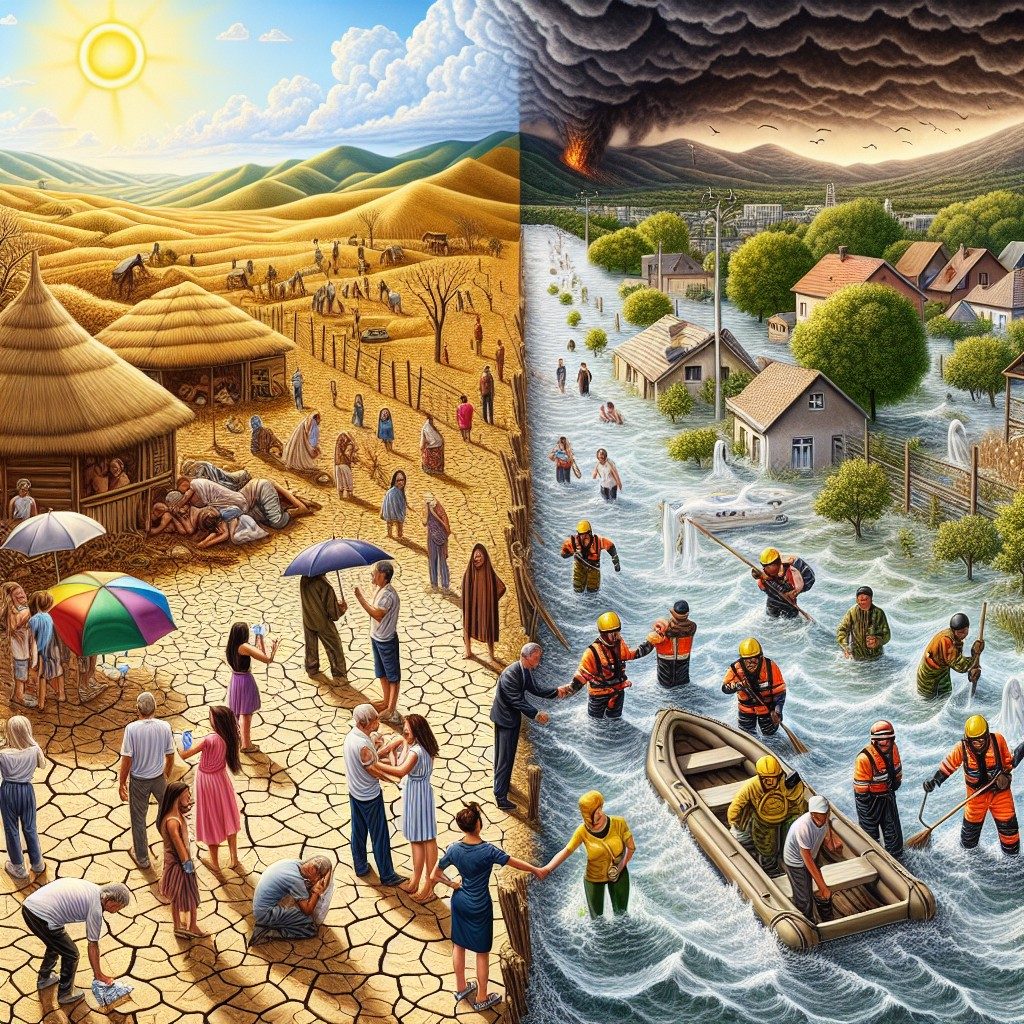
Looking ahead, as climate change continues to increase the frequency and severity of heatwaves, the need for scalable and context-specific heatwave adaptation will grow. Cities that proactively implement integrated solutions will likely experience reduced health impacts and improved quality of urban life.
Frequently Asked Questions about heatwave adaptation
What is heatwave adaptation and why is it important in dense cities?
Heatwave adaptation refers to the strategies and measures taken to reduce vulnerability to extreme heat, especially in dense cities where the urban heat island effect elevates temperatures and risks to public health.
How do green spaces contribute to heatwave adaptation?
Green spaces help by shading surfaces and enabling evapotranspiration, which cools the air. Incorporating parks and urban trees is a proven heatwave adaptation method that lowers local temperatures in dense city environments.
Can building materials influence heatwave adaptation effectiveness?
Yes, using reflective or cool roofing materials reduces heat absorption in buildings, lowering indoor temperatures, and contributing significantly to urban heatwave adaptation efforts.
What role does community engagement play in heatwave adaptation?
Community engagement is crucial for heatwave adaptation, as public awareness and preparedness help protect vulnerable populations during extreme heat events through early warnings and coordinated responses.
Where can I find reliable information on global heatwave adaptation initiatives?
Trusted organizations such as the World Health Organization provide up-to-date, verified information on heatwave adaptation practices worldwide. Accessing their official resources supports informed decision-making on the topic heatwave adaptation.