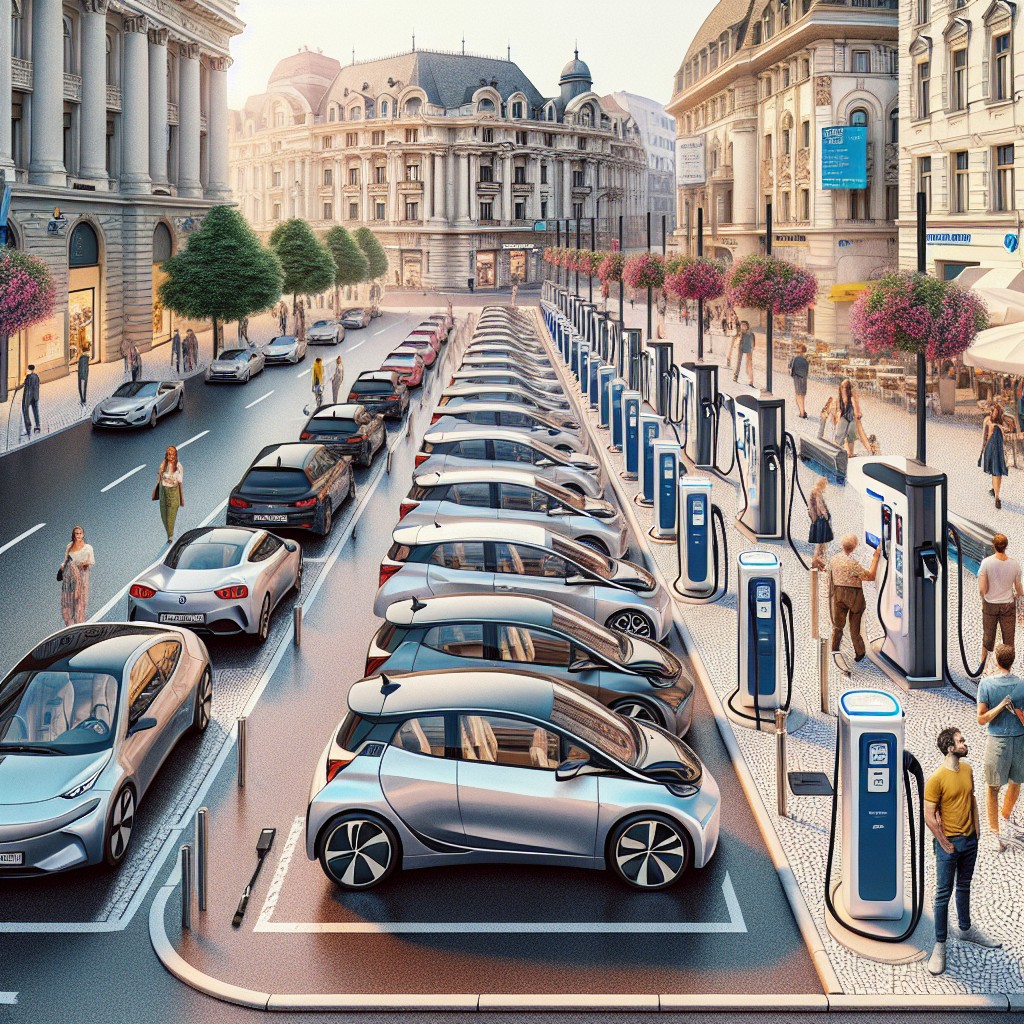
Romania’s adoption of electric cars is gaining momentum amid increasing environmental awareness and government incentives. This shift is reshaping the automotive landscape in the country, impacting charging infrastructure, ownership costs, and future policies. Understanding these changes is essential for prospective buyers and industry observers alike.
Current status of electric car adoption in Romania
The Romanian market has experienced a notable rise in electric car registrations over the past few years, though it remains smaller compared to Western European countries. As of early 2024, electric vehicles represent a growing segment in the national fleet, encouraged by government rebates and growing consumer interest in sustainable transportation. Despite this progress, electric cars still account for a modest share of total vehicles on Romanian roads.
Charging infrastructure and accessibility
One of the primary challenges for electric car owners in Romania is the availability of reliable and accessible charging stations. Urban areas such as Bucharest, Cluj-Napoca, and Timisoara have seen increased investment in public charging points, including fast-charging stations. The government and private sector have collaborated on expanding the network, yet rural regions still have limited access, which affects adoption rates outside major cities. Romanian authorities are working to align national efforts with European Union targets that emphasize widespread infrastructure development.
Costs associated with electric car ownership
The total costs of owning an electric car in Romania include the initial purchase price, charging costs, maintenance, and subsidies. While electric cars typically have higher upfront prices than traditional vehicles, government programs provide discounts and tax exemptions to mitigate this difference. Charging a vehicle at home is generally cheaper compared to fueling with gasoline or diesel, and public charging fees vary depending on the provider and station type. Maintenance costs for electric cars tend to be lower, as they have fewer moving parts and do not require oil changes or exhaust system repairs.
Government policies and incentives
Romanian authorities have implemented several policies to accelerate the transition to electric mobility. Financial incentives, such as the ‘Rabla Plus’ program, offer subsidies for purchasing electric and plug-in hybrid vehicles. There are also exemptions from vehicle registration taxes and reduced parking fees in certain municipalities. These measures aim to promote sustainable transport, improve urban air quality, and meet EU climate targets. Monitoring the effectiveness of these incentives will be crucial for adjusting future policies.
What to expect in the near future for electric cars in Romania
The trajectory for electric cars in Romania suggests continued growth, driven by expanding infrastructure, evolving technology, and enhanced government support. Industry experts anticipate improvements in battery range and charging speed, making electric cars more practical for longer trips and daily use. Additionally, integration with renewable energy sources could reduce the environmental impact of electric vehicle use. The nationwide focus on green transportation and emission reduction will likely lead to further regulatory developments and increased market competition.
Frequently Asked Questions about electric cars
How widespread is the charging infrastructure for electric cars in Romania?
The charging infrastructure is primarily concentrated in major cities, with increasing public and private investment to expand accessibility. Rural areas still have fewer charging points, but national plans aim to improve coverage in the coming years.
Are electric cars cheaper to maintain than conventional vehicles in Romania?
Yes, electric cars generally have lower maintenance costs due to fewer mechanical components and the absence of combustion-related parts, which reduces the need for frequent servicing.
What financial incentives are available for electric cars in Romania?
The Romanian government offers subsidies under programs like ‘Rabla Plus,’ along with tax exemptions and other benefits to encourage the purchase and use of electric cars.
How does the cost of charging electric cars compare to fuel costs in Romania?
Charging electric cars is typically less expensive than refueling with gasoline or diesel, especially when charging at home during off-peak hours. Public charging costs can vary but remain competitive overall.
What is the outlook for electric cars in Romania over the next few years?
The growth of electric cars in Romania is expected to continue, supported by infrastructure development, technology improvements, and ongoing government incentives aimed at promoting sustainable transport.